Types of Environmental Permits for Gulf Coast Projects
Environmental permits and reviews for Gulf Coast projects: CWA 404 and 401, Section 10, coastal consistency, NEPA, ESA, Section 106, and remediation.

Environmental permits and reviews for Gulf Coast projects: CWA 404 and 401, Section 10, coastal consistency, NEPA, ESA, Section 106, and remediation.
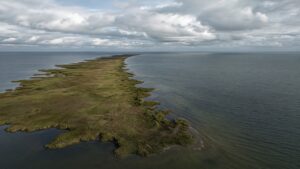
CZM consistency and state coastal programs in Mississippi, Alabama, and Florida. Practice overview for Gulf Coast project teams.
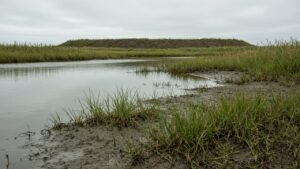
Buy credits when they match. Establish a bank when you are the sponsor. Cypress leads prospectus → MBI → IRT coordination → credits — setup and management.
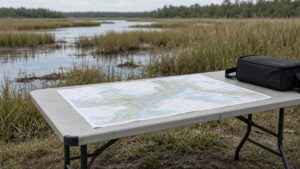
An Interagency Review Team (IRT) is the group that reviews a mitigation bank from prospectus
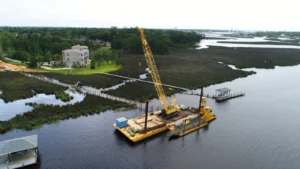
Section 10/404, state coastal or ERP, and local dock rules for Gulf piers and docks. Design choices that change the permit — for cities and private waterfront owners.
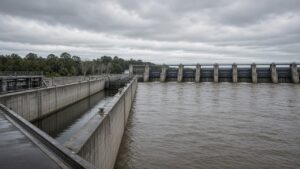
A Corps district is the geographic unit that runs regulatory and civil works in its boundary. JDs and permits go to the district with the resource — Mobile, Vicksburg, New Orleans, or Jacksonville for Cypress’s Gulf work.

When Gulf Coast projects need gopher tortoise burrow surveys, what the field work covers at a high level, and how ESA and state rules can both apply.
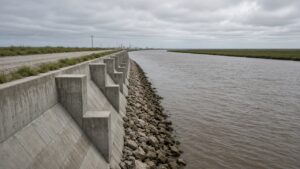
Quick Answer: Section 408 requires permission from the USACE to alter federal civil works projects,
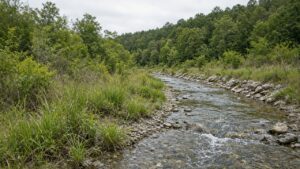
Stream mitigation replaces authorized 404 impacts to streams with credits or permittee-responsible work. Wetland credits do not automatically clear a stream debit.
One comprehensive private-client overview of Section 401 WQC, coastal consistency, CUP, ERP, and Corps relationships across Mississippi, Alabama, Louisiana, and Florida. Sackett did not erase state programs. Comparison table plus dedicated state sections.
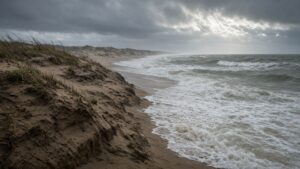
V and VE mean waves and velocity, not stillwater. LiMWA marks moderate wave action inside coastal AE. How to read those Gulf FIRM labels before you argue about foundations.
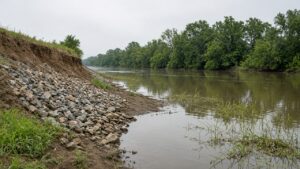
A no-rise certification is an engineer’s showing that floodway work will not raise the base flood elevation — 0.00 feet. It is not a FEMA map change and not a permit.
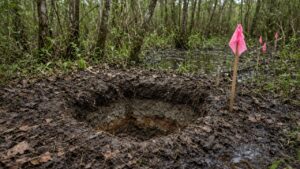
A jurisdictional determination is the Corps’ finding of whether a wetland or water is a water of the United States. It is not a permit, and it is not a delineation.

For a long time, most firms evaluated projects through a simple lens: does the financial

A REC is the ASTM Phase I finding that hazardous substances or petroleum are present, likely present, or threatened on a property.

You can sometimes build on wetlands with 404/401 and state permits — after a delineation. Filling first is the expensive path.

Phase I ESA cost follows site history, size, and records. This page is not a Cypress fee schedule.

Most due diligence checklists in real estate development include a Phase I Environmental Site Assessment,

The ESA lists species, designates critical habitat, and makes take a project problem — including Section 7 consultation.

An EIS is the NEPA document for federal actions likely to have significant environmental effects.

Zoning is the process of dividing an area into sections. These sections serve different purposes

A Phase I ESA only protects you if the environmental professional did the historical work and called the RECs honestly.

Environmental permitting is the set of agency approvals required before you fill, dredge, discharge, or disturb a regulated site.

Environmental consulting is the field and permit work that lets a project move forward: finding

A mitigation bank restores aquatic resources in advance and sells credits to permitted projects in its service area.