
Choosing environmental science as a career path means you’ll be working at the point where data, nature, and real-world decisions meet. That sounds broad because it is – the field covers everything from water quality testing to climate modeling to helping developers navigate environmental permits. What holds it all together is a specific set of skills needed for environmental engineer roles and broader scientific careers – competencies that let you collect information, make sense of it, and turn it into something useful.
If you’re trying to figure out what to focus on – whether you’re a student, someone changing careers, or just building a stronger resume – here’s what actually matters.
What Do You Learn in Environmental Science Programs?
Before getting into specific skills, it helps to understand what the training actually looks like. What do you learn in environmental science programs? The short answer: a mix of hard science, data work, and applied problem-solving.
Most programs start with a foundation in biology, chemistry, geology, and ecology. From there, students move into more specialized areas – pollution analysis, environmental law, climate systems, soil science, and geographic information systems. Field work is typically built into the curriculum, which means time spent outside the classroom collecting real samples and observing real ecosystems.
By the time someone finishes a solid environmental science program, they’ve covered:
- Structure of ecosystems and how they respond to stress
- Analysis of pollutants in air, soil, and water
- Statistics and data processing
- Environmental law and public policy basics
- Laboratory methods and field sampling
- GIS mapping and spatial analysis
- Environmental impact assessment procedures
The Bureau of Labor Statistics notes that most entry-level environmental scientist positions require at least a bachelor’s degree in environmental science or a related field. However, specialized roles increasingly require a master’s degree.
What do you learn in environmental science beyond the textbook? How to work with incomplete data, how to communicate findings to people who aren’t scientists, and how to function in the field when conditions aren’t ideal. Those turn out to matter just as much as the technical content.
Core Scientific and Analytical Skills
The foundation of any environmental career is the ability to collect data, analyze it, and draw conclusions that hold up to scrutiny. These are the skills for environmental engineer roles and research positions alike – the things that separate someone who can read about environmental problems from someone who can actually solve them.
- Data collection and analysis. Environmental work generates a lot of information – field measurements, lab results, sensor readings, regulatory records. Being comfortable with statistics and data processing isn’t optional. Tools such as R, Python, and Excel are commonly used to clean, analyze, and visualize datasets.
- GIS and spatial analysis. Geographic Information Systems are central to environmental work. Mapping pollution sources, identifying sensitive habitat areas, and analyzing land-use patterns – nearly all of it runs through GIS. ESRI’s ArcGIS and open-source tools like QGIS are the most widely used platforms.
- Environmental modeling. Predicting how a pollutant moves through groundwater, how a flood event will affect a watershed, or how land use changes will affect local temperatures all require modeling skills. These take time to develop but are among the most valuable skills for environmental engineer roles in both consulting and government.
- Laboratory competency. Testing water, soil, and air samples is routine for the job. Understanding proper sampling protocols, chain of custody procedures, and quality control matters as much as knowing how to run the actual tests.
- Critical thinking. Environmental data is often messy and incomplete. Good analysts know how to identify gaps, question assumptions, and avoid drawing conclusions that the data doesn’t actually support.
- Environmental impact assessment. Knowing how to evaluate the potential effects of a development project on surrounding ecosystems is a core skill needed for environmental engineer work, particularly in consulting. The EPA’s NEPA guidance covers the federal framework, but many states have their own parallel processes.
Technical and Engineering Competencies
For people moving into environmental engineering specifically, the scientific foundation needs to be paired with practical technical skills. These are the skills needed for environmental engineer roles at firms, agencies, and private companies – the hands-on competencies that get projects built and operating properly.
- Water and wastewater systems. Designing and operating treatment systems requires understanding both the chemistry involved and the engineering constraints – flow rates, treatment capacity, equipment selection, and regulatory discharge limits.
- Waste management. Solid waste, hazardous materials, and contaminated sites all involve different regulatory frameworks and technical approaches. Remediation work – cleaning up contaminated soil or groundwater – is a significant area of employment for environmental engineers. Firms like Cypress Environment & Infrastructure handle exactly this kind of work across the Gulf Coast.
- Air quality and emissions. Monitoring air quality, modeling emissions from industrial facilities, and designing control systems are all technical skills with consistent demand, particularly as air quality regulations continue to tighten.
- Engineering software. HEC-RAS for water flow modeling, AutoCAD for design drawings, and various environmental modeling platforms are standard tools in the field. Familiarity with these makes a candidate significantly more useful from day one.
- Regulatory knowledge. Understanding which permits are required, which standards apply, and how to prepare the documentation regulatory agencies actually want to see is a practical skill that takes time to develop. The Army Corps of Engineers and EPA are the two federal bodies most frequently involved in environmental permitting.
Fieldwork and Applied Environmental Skills
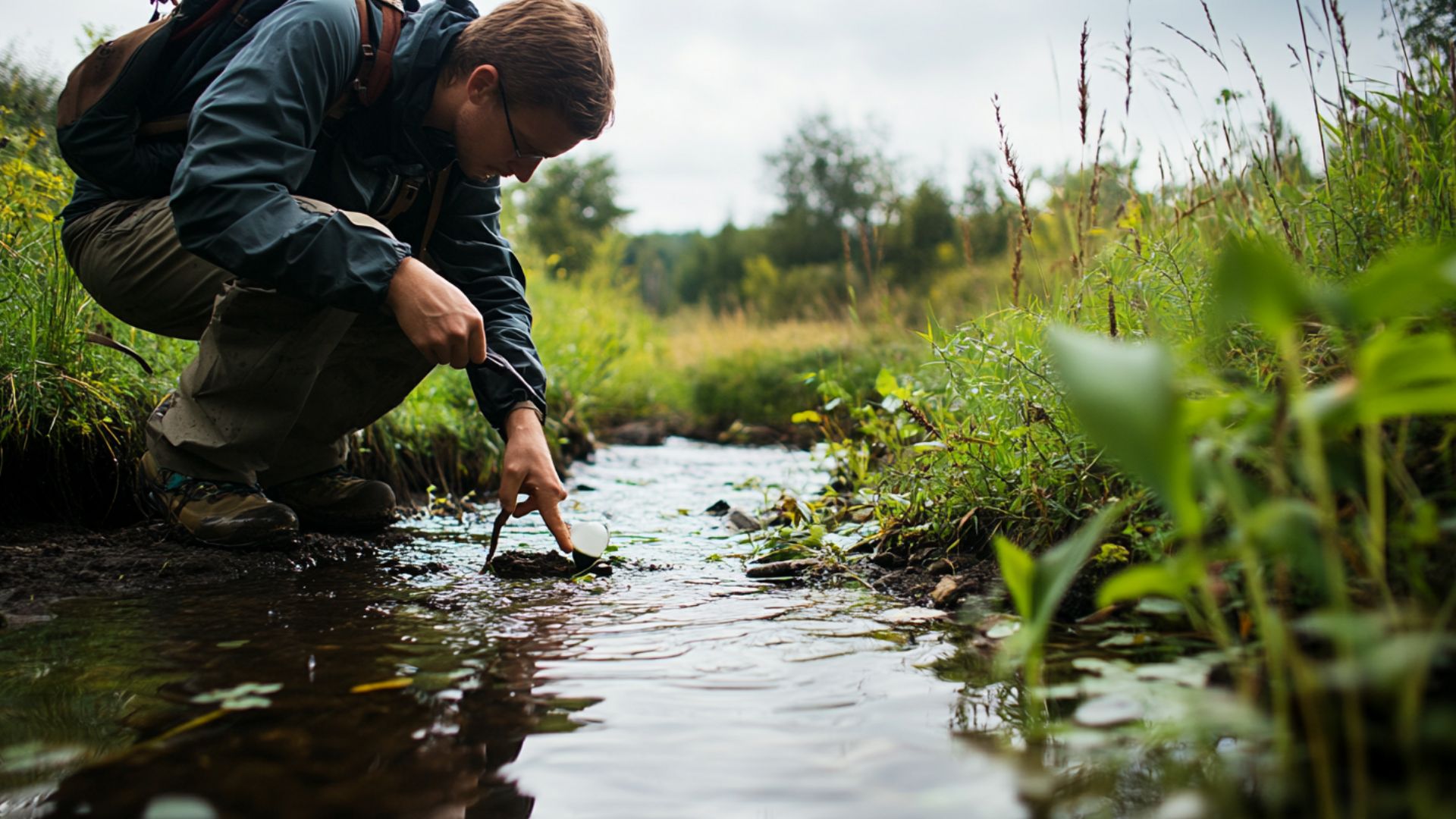
A significant part of environmental work happens outdoors, and the skills that matter in a field setting differ from those tested in a classroom. Time spent on actual sites – rivers, wetlands, forests, industrial facilities – builds a kind of practical judgment that coursework alone doesn’t provide. Developing the skills needed for environmental engineer fieldwork means learning to adapt quickly when conditions, equipment, or data don’t behave as expected.
Key fieldwork competencies include:
- Sampling. Collecting soil, water, and air samples correctly is more involved than it sounds. Contamination of samples, improper preservation methods, and a broken chain of custody can render months of work unusable. Proper technique matters.
- Environmental monitoring. Setting up monitoring equipment, consistently recording observations, and maintaining accurate field notes are habits that take time to build and are immediately visible to employers.
- Flora and fauna assessment. Recognizing indicator species, conducting biological surveys, and assessing ecosystem health through direct observation are practical skills for environmental engineers and scientists in roles that involve habitat work or wetland assessments.
- GPS and field technology. Using GPS devices, handheld meters, and field data collection apps accurately and efficiently is now expected in most field roles.
- Safety and regulatory compliance. Fieldwork near contaminated sites, in or near water, or in remote locations involves serious safety considerations. Understanding OSHA standards and site-specific safety protocols is non-negotiable.
Professional and Communication Skills
Technical ability without communication skills has a limited ceiling. The most effective environmental professionals – whether they work for consulting firms, government agencies, or corporations – are the ones who can explain complex findings clearly to people who aren’t scientists.
This shows up in several ways:
- Report writing. Environmental reports need to be precise, well-organized, and readable by non-specialists. Regulators, lawyers, clients, and community members all end up reading them. Writing clearly is a genuine professional skill in this field.
- Stakeholder communication. Environmental projects affect communities, and those communities expect to be heard. The ability to run a public meeting, address concerns without dismissing them, and explain technical information in plain language is increasingly valued.
- Interdisciplinary teamwork. Most environmental projects involve engineers, biologists, lawyers, planners, and contractors all working together. Being able to communicate across those different professional cultures – and understand enough about each to collaborate effectively – makes a significant difference.
- Project coordination. As careers progress, environmental professionals increasingly manage timelines, budgets, and teams. Basic project management skills become important earlier than most people expect.
Best Environmental Skills for Resume and Career Development
A strong resume for an environmental role should demonstrate specific, concrete competencies – not just a list of courses. Here’s what actually gets attention:
- Lead with technical skills. GIS software, modeling platforms, lab methods, specific sampling certifications – list these specifically rather than generally. “Proficient in ArcGIS and HEC-RAS” is more useful to a hiring manager than “strong technical skills.”
- Describe field experience in detail. Where did you work? What did you sample? What equipment did you use? Specifics demonstrate real experience rather than classroom exposure.
- Include certifications. 40-Hour HAZWOPER certification, wetland delineation training, stormwater management certifications, and professional credentials like the AICP or PWS all strengthen an environmental skills for resume section significantly.
- Show regulatory familiarity. Mention specific permits you’ve worked with, regulations you’ve applied, or agencies you’ve coordinated with. This signals practical experience, not just academic knowledge.
- Quantify where possible. “Conducted over 40 field sampling events across three watershed projects” is more compelling than “experience with field sampling.”
Building environmental skills for resume purposes isn’t just about ticking boxes – it’s about demonstrating that you can do the actual work. The candidates who stand out are the ones who’ve used their education to develop real competencies, not just credentials. Internships with environmental consulting firms, time spent with state agencies, and volunteer fieldwork all contribute to a profile that demonstrates genuine readiness.