
Zoning is the process of dividing an area into sections. These sections serve different purposes and have specific rules. The term zoning can be applied to both residential and industrial activities. Most often, this term is used in urban planning. It refers to the organization of a residential area. Zoning is crucial when organizing space inside a house. It is also essential for the territory near it. This allows for more efficient use. Zoning boundaries and rules are usually established by official documents and laws. These can be local regulations. They allow or prohibit certain activities during zoning.
The main purpose of zoning laws is to promote balanced development. In other words, it reduces congestion and supports long-term sustainability. This means that buildings and public spaces are located in suitable places. These are places where it is officially permitted. Such laws also regulate the height and design of buildings. This maintains uniformity between areas. Zoning determines how real estate can be used and developed as a whole.
What is Zoning? Understanding the Concept and Purpose
The zoning definition is central to modern land use planning. It is essentially a system of rules. These rules determine how land in a city or rural area can be used. This affects the location of homes, businesses, and other commercial premises.
The first zoning laws appeared in the early 20th century. At that time, cities were struggling with public health issues. The first regulations were aimed at separating residential areas from commercial ones. In other words, it was important for people to live close to other people. Commercial premises, such as factories, were located elsewhere. This made it possible to reduce pollution. It also improved living conditions for city residents. As a result, health problems decreased. This was due to reduced emissions from businesses.
Over time, the term zoning began to influence building height and lot size. Year after year, people changed the rules. They added or removed what was not entirely suitable. But the main functions of zoning are aimed at:
- Land use separation: this option ensures that incompatible uses generally remain separate. The most common are heavy industry and residential construction.
- Orderly development: guides growth to avoid overpopulation and strain on infrastructure.
- Protecting property values: stabilizes areas by regulating the use of surrounding land.
- Environmental protection: supports green spaces and the protection of natural resources. It also ensures responsible land use.
- Public safety: this option regulates building standards and locations. It helps reduce risks.
- Infrastructure planning: this function is consistent with the development of public transport. It helps to ensure seamless integration.
- Economic development: encourages the proper growth of commercial and industrial activities.
Understanding what zoning is highlights its importance. Zoning regulations govern both urban and rural environments. This means no one can build a factory next to your house. This is because your house is located in a residential area. Zoning is primarily focused on and supports community goals. It benefits residents and future generations.
Types of Zoning: Different Categories and Their Uses
There are different types of zoning. Understanding them will help you figure out if land use is being regulated correctly. Zoning divides land into categories. Each category has its own specific rules. Zoning laws regulate what can be built. They determine how land can be used and address other issues.
The main types of zoning are:
- Residential: This type is usually intended for houses and other residential buildings. It preserves the area’s character and regulates building density.
- Commercial: This type is usually designated for businesses and commercial buildings. It stimulates economic activity. It also prevents conflicts with residential buildings.
- Industrial: This type is reserved for factories and manufacturing facilities. It keeps noisy or heavy manufacturing away from residential areas.
- Agricultural: This type protects farmland and rural areas from urban sprawl. It supports agriculture and related activities.
- Mixed: This type combines residential and, at times, light industrial facilities. It promotes the creation of pedestrian-friendly areas. It also encourages efficient land use. The most popular example is residential complexes. You will find both commercial premises and residential premises. Commercial premises include restaurants, shops, and gyms.
- Special purpose: includes public facilities and transportation hubs. This ensures that important services are located in appropriate places.
Each type of zoning meets the needs of the community. Growth patterns and long-term planning goals also influence it. Residential zoning provides quiet and safe areas. Industrial zoning separates heavy industry from residential areas. This reduces health risks. It clearly demonstrates the importance of zoning.
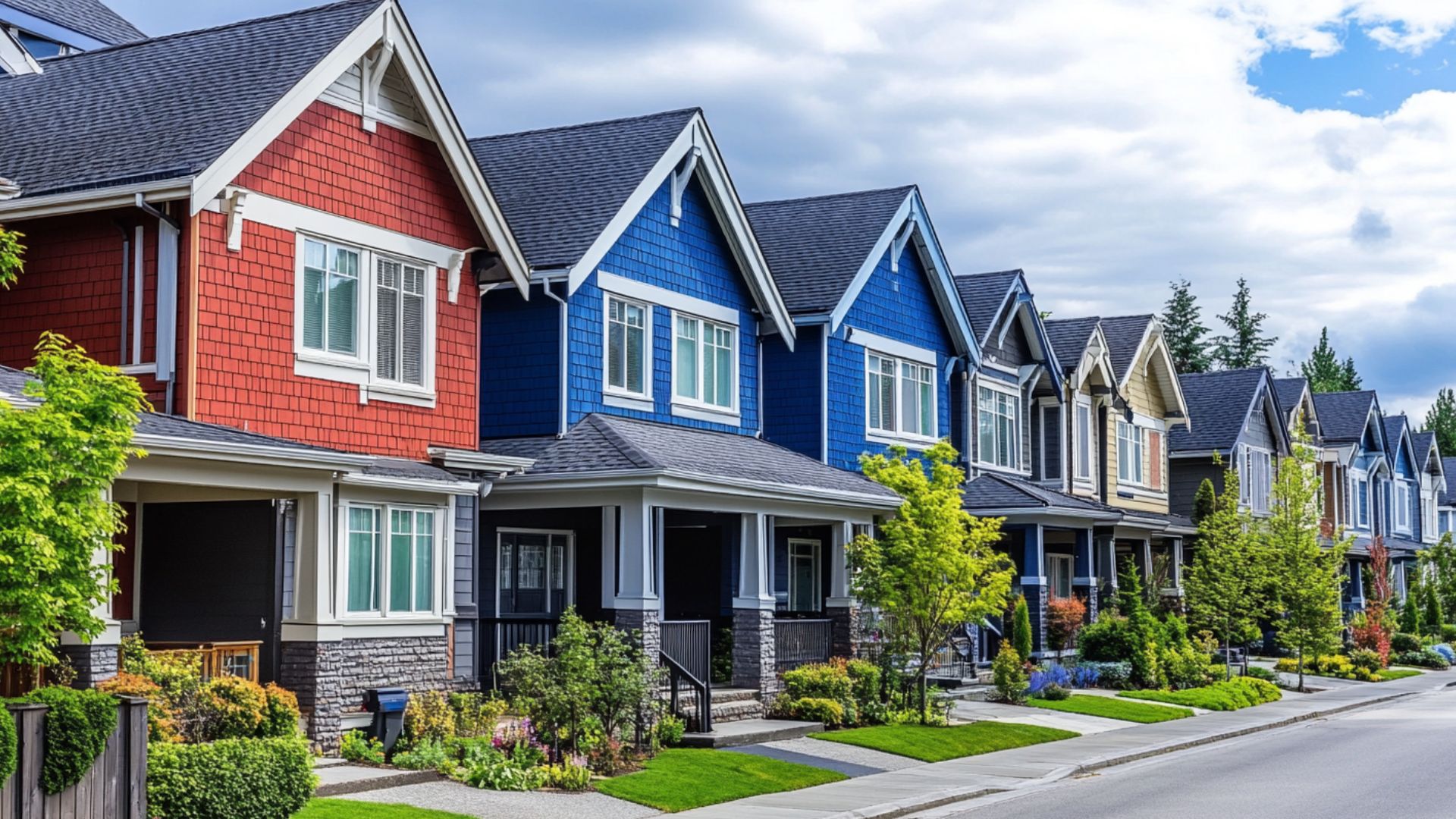
Zoning Classifications: Breaking Down the Categories
Land use categories of zoning definition to provide a structured approach. They regulate land use. They also guide the development of cities and rural areas. Municipalities must divide territories into specific categories. These influence the types of buildings and the overall character of areas. These classifications help maintain safety. They also promote the efficient use of space. Such classifications ensure that development is consistent with community goals. These are long-term planning goals.
- Single-family residential: This type is typically intended for detached houses. It regulates lot sizes and setbacks. This classification also supports the uniform character of the neighborhood.
- Multi-family residential: This type is typically intended for apartments or townhouses. It regulates building density and shared amenities. This classification provides a balance between population growth and livability.
- Commercial: This type includes retail stores and service businesses. Zoning regulations govern signage placement and building height. They also control accessibility. This maintains order in business districts.
- Industrial: This type covers manufacturing and production facilities. This classification controls noise and emissions. It minimizes conflicts with residential areas.
- Mixed use: This type combines residential and sometimes light industrial use. It promotes the creation of walkable and vibrant communities. This classification regulates transportation and infrastructure needs.
- Special purpose: This type includes schools and government buildings. Services must be located in a suitable place. They should be integrated into the area.
It is important to remember that zoning classifications determine building density and land use. If you find a plot of land in an area with single-family homes, restrictions apply. No one will allow you to build a high-rise building there. The community establishes a clear classification. Before you build anything, you need to create a concept and plan. You must get it approved by the local authorities. Only then can you start construction.
It is worth noting that disregarding the rules carries consequences. These include land loss, large fines, and legal proceedings. Therefore, to ensure that the area remains functional and attractive, always follow clear guidelines. Before purchasing a plot of land, be sure it meets your expectations.
Zoning Rules and Regulations: What You Need to Know
Understanding zoning is important for property owners and communities. Rules and regulations determine how land can be used in general. They establish what types of structures can be built. They also determine how development fits into the neighborhood or district. This not only ensures safety and security for all segments of the population but also supports economic growth. It also provides a long-term perspective for the development of neighborhoods.
What are the standard zoning rules and regulations? Let’s take a look:
- Setbacks: Minimum distances between buildings and streets, or between buildings and property lines, are required. This helps maintain privacy and safety.
- Building height restrictions: Restrictions on the height of structures preserve the character of the community. They also minimize shading.
- Density restrictions: Control the number of buildings or units per acre. This helps prevent overcrowding.
- Parking requirements: The minimum number of spaces required for residential or commercial properties. This helps manage traffic.
- Land-use restrictions: These define the types of use permitted in each zone. The most common types are residential and commercial. Industrial or mixed-use zones are also popular.
- Building area restrictions: These control the percentage of a lot that structures can occupy.
- Environmental and safety: Floodplain restrictions include green space requirements. They are also key fire safety standards.
Local authorities enforce these rules. This is done by issuing building permits. They also check for zoning compliance. Again, any violations can result in fines. Mandatory changes may also be required.
Before starting construction, we recommend seeking professional advice. This includes engineering planning and land use. Cypress EI specialists will help you optimize the use of your site. This is done in accordance with zoning requirements. They will prepare project documentation. They will also ensure compliance with all regulations.
Zoning Variances and Exceptions: When Rules Can Be Adjusted
Zoning regulations provide clear guidelines for land use. However, sometimes special circumstances require flexibility. A zoning deviation allows a property owner to deviate from certain rules. This is done without changing the overall development of the area.
The process of obtaining a zoning deviation involves several steps. They are submitted to the local zoning board or planning commission. The nature of the hardship is the basis for the request. The potential impact on neighbors is also important. Compliance with broader planning goals matters as well. Public hearings are often held. This allows the community to express its opinion before the authorities make a final decision.
In what situations are zoning deviations or exemptions usually granted? Let’s take a look:
- Setback adjustments: Permission to build a building closer to the property line. This is due to the shape of the property or the terrain.
- Height exemptions: Permission to build taller buildings if justified by design needs. This also occurs when there are general restrictions on lot size.
- Lot coverage exemptions: Permission for additional lot coverage. This happens when property layouts are unique.
- Parking space reduction: Adjustment of the required number of parking spaces. This occurs when public transportation or alternative parking solutions are available.
- Use deviations: Permission to use the property differently than what is provided for. This differs from current zoning. The most popular are home offices or small businesses.
- Signage exceptions: Permission to install larger or additional signs to improve visibility. The aesthetic impact is taken into account.
Zoning variances and exceptions provide flexibility. They preserve the integrity of community planning. They ensure that property owners can meet their practical needs. This is done without compromising safety or public interests. Residents should understand the zoning variance process. This allows residents to effectively navigate the rules. Residents will find solutions when standard rules do not apply to specific circumstances. Working with Cypress EI simplifies the variance process.