
Civil engineering is one of the oldest and most vital professional fields. It focuses on planning, designing, constructing, maintaining, and operating the physical and built environment around us.
Think about everything we use daily: the roads we drive on, the bridges we cross, the water we drink, and the buildings where we live and work. Civil engineers make all of this possible, providing the essential foundation for modern civilization.
At its core, what is civil engineering? Civil engineering is a discipline that applies physical and scientific principles to solve society’s infrastructure challenges. These professionals work on an enormous variety of projects, ranging from small-scale site development to large, complex public works. The impact of their work is immense – ensuring economic growth, public health, and safety through systems that supply clean water, facilitate transportation, and provide shelter and functional spaces.
A Historical Overview of Civil Engineering
The history of civil engineering is deeply tied to human progress. Early engineering feats from ancient civilizations like Egypt, Mesopotamia, and Rome – including the Pyramids, sophisticated urban planning systems, and massive aqueducts – represent the work of early engineers. The term “civil engineering” definition emerged in the 18th century when the profession formally separated from military construction. Pioneers like John Smeaton helped establish professional standards and technical foundations during the Industrial Revolution, when the widespread use of iron and steel for railways and larger structures fundamentally transformed the landscape.
Key Principles and Objectives of Civil Engineering
Every civil engineer’s work is governed by foundational principles and objectives that ensure projects are beneficial, responsible, and enduring. Several core principles guide the practice:
- Efficiency. Achieving project goals with minimal waste of resources, time, and money.
- Aesthetics. Ensuring structures are visually appealing and integrate well with their surroundings.
- Economy. Designing and building cost-effective solutions without compromising quality or safety.
- Feasibility. Ensuring projects are viable given site conditions, available materials, and existing technology.
Three primary goals drive every civil engineering project:
- Safety (Public Welfare). This is the paramount objective. All designs must withstand anticipated loads, natural forces like earthquakes or floods, and regular use, ensuring public safety during and after construction.
- Functionality (Serviceability). The finished project must serve its intended purpose effectively. A bridge must carry traffic smoothly, a water treatment plant must deliver clean water, and a building must provide occupants with a comfortable and safe environment.
- Sustainability (Environmental Stewardship). This increasingly important goal requires engineers to minimize a project’s environmental impact by using durable materials, reducing waste, lowering energy consumption, and considering the structure’s entire lifecycle from inception to eventual deconstruction.
In modern civil engineering projects, these principles integrate at every stage. Efficiency is managed through advanced project scheduling software. Aesthetic considerations influence the design of overpasses and landscaping. Safety objectives dictate the use of advanced finite element analysis to calculate stress loads on pavement and bridge decks. Sustainability drives decisions like using recycled aggregates in road bases and implementing runoff filtration systems to remove pollutants before they enter local waterways.
Main Branches of Civil Engineering
Civil engineering is a diverse field that splits into several interconnected specialties, each addressing different aspects of the infrastructure we build and use every day. Here’s a breakdown of the major branches:
- Construction Engineering: Planning and Building
Construction engineering focuses on actually building structures. Construction engineers manage resources including materials, equipment, and workers. They handle site control, cost estimation, work scheduling, and ensure compliance with safety and quality regulations. Essentially, they transform design plans into real, functional projects.
- Coastal Engineering: Protecting Beaches and Coastlines
The engineers work for civil engineering companies to shield shorelines from ocean forces. They design seawalls, breakwaters, and jetties to prevent erosion, manage sediment movement, and keep communities and ecosystems safe. This specialty has become increasingly critical as storms intensify and sea levels rise due to climate change.
- Environmental Engineering: Protecting Public Health and the Planet
Environmental engineers focus on public health and environmental protection. They create systems to purify water, treat wastewater, reduce air pollution, and manage solid waste. Their work ensures communities have safe air and water, often involving complex biochemical and hydraulic processes.
- Structural Engineering: Ensuring Buildings Stand Strong
Structural engineers ensure buildings and other structures can withstand all forces acting upon them, including gravity, wind, earthquakes, and snow loads. They work on everything from bridges and skyscrapers to tunnels and towers. The key is selecting appropriate materials and designing for strength, stability, and rigidity using detailed calculations and analysis.
- Site Development and Planning: Preparing Land for Construction
This civil engineering branch transforms raw land into building-ready sites for homes, businesses, or parks. Engineers handle grading, drainage design, utility placement, and erosion control. They collaborate with urban planners to ensure developments function efficiently, respect the environment, and comply with local regulations.
- Transportation Engineering: Moving People and Goods Efficiently
Transportation engineers plan and design roads, highways, airports, rail systems, subways, and ports. Their goal is safe, efficient, and convenient travel for people and freight. They use computer models to optimize traffic flow and reduce congestion.
- Surveying: Measuring Land Before Construction Begins
Surveying involves precisely measuring distances, angles, and elevations on the ground. This information is crucial for site planning, establishing property boundaries, and ensuring construction occurs exactly where intended. It’s the essential first step in any major project, and accuracy is critical to overall success.
These specialties interconnect to create safe, sustainable infrastructure. From executing blueprints and protecting coastlines to ensuring clean water, stable structures, efficient transportation, and precise land measurement, these disciplines drive progress. Together, they build resilient communities, safeguard the environment, and enable modern society to thrive. Mastering these fields requires expertise, innovation, and collaboration to create a better built world.
The Role of Civil Engineers in Modern Projects
Civil engineers are the masterminds behind the modern built environment. They perform a wide array of duties throughout a project’s entire lifecycle, spanning from initial concept through ongoing maintenance.
Their responsibilities include:
- Planning. Conducting feasibility studies, cost analyses, and environmental impact assessments to determine project viability.
- Design. Creating detailed drawings and specifications using advanced software to model structural performance and ensure designs meet all requirements.
- Construction Oversight. Managing the building process to ensure designs are executed properly and on schedule.
- Maintenance. Developing inspection schedules, repair strategies, and renovation plans to extend the lifespan of existing infrastructure.
Civil engineering professionals typically work in one of two main capacities:
- Consulting Engineers work for civil engineering consulting firms and focus primarily on the design and analysis phases. Their main responsibility is serving clients by developing safe, innovative, and cost-effective designs while providing expert technical advice. They produce the blueprints and technical specifications that guide construction.
- Contracting Engineers work for construction companies and focus on executing designs in the field. They manage day-to-day operations, coordinate subcontractors, ensure material quality, and take responsibility for meeting project schedules and budgets.
Daily tasks for civil engineering consulting can vary widely but typically include:
- Using CAD (Computer-Aided Design) software to create detailed plans and 3D models
- Performing complex stress, load, and flow calculations to ensure structural integrity and functional performance
- Overseeing budgets, schedules, procurement, and risk management
- Integrating environmentally friendly practices like rainwater harvesting or sustainable building materials into designs
- Coordinating with other professionals, contractors, and stakeholders
- Conducting site inspections and reviewing construction progress
In essence, civil engineers shepherd infrastructure projects from initial concept to long-term operation. Consultants create innovative designs, while contractors bring those designs to life on-site. Their combined efforts ensure that projects are safe, efficient, and environmentally responsible from start to finish.
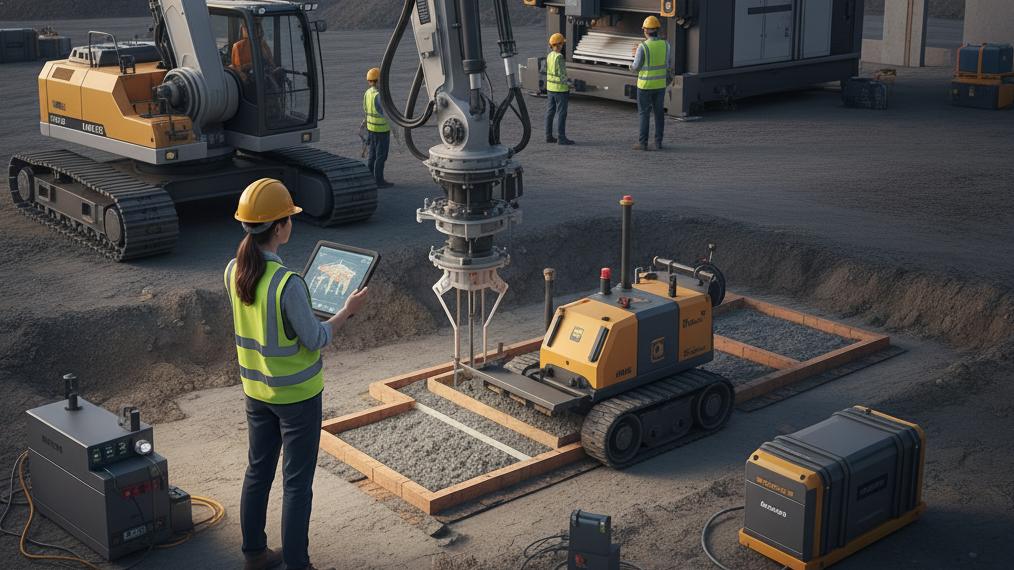
Advancements and Emerging Technologies in Civil Engineering
Civil engineering constantly evolves, driven by the need for more efficient, safer, and sustainable infrastructure. Several technological developments are reshaping the field:
- The Importance of Staying Current with Technological Advancements
Civil engineering companies and individual engineers must continually embrace new tools and methods to remain competitive and effective. Technological advancements are transforming everything from how sites are surveyed to how complex structures are analyzed. Staying current means adopting the latest software, materials, and construction techniques to deliver better projects faster and more economically.
- Augmented and Virtual Reality in Construction Planning
Emerging technologies like augmented reality (AR) and virtual reality (VR) are revolutionizing project visualization and planning. AR allows engineers on-site to overlay digital design models onto real-world views through tablets or smart glasses, instantly verifying placement and identifying potential conflicts. VR enables stakeholders to “walk through” a structure before construction begins, allowing early detection of design flaws and improved communication with clients who may struggle to visualize traditional blueprints.
- Innovative Materials: Self-Healing Concrete and Recycled Components
Material science is creating a new generation of construction products. Self-healing concrete, for example, contains microcapsules or bacteria that, when cracks form, release healing agents or precipitate calcium carbonate to automatically seal fissures. This technology significantly extends the life of structures like bridges and roads, reducing maintenance costs and improving long-term durability. Meanwhile, incorporating recycled plastics and industrial waste into asphalt and concrete makes projects more sustainable while often producing stronger, more durable components.
- Building Information Modeling (BIM) and Advanced Simulation
Digital tools like BIM allow engineers to create comprehensive 3D models that integrate architectural, structural, and MEP (mechanical, electrical, plumbing) systems. These models enable clash detection, cost estimation, and construction sequencing before breaking ground, reducing costly field changes and improving coordination among all project participants.
The rapid evolution of civil engineering companies demands proactive adaptation to new technologies and innovations. By embracing modern tools, engineers achieve greater efficiency, safety, and sustainability. These advances not only enhance project outcomes and competitiveness but also pave the way for more resilient infrastructure. This digital and innovative transformation is essential for modern firms seeking to deliver superior, future-proof structures while minimizing environmental impact.
Conclusion
Civil engineering remains a powerful force continuously shaping and supporting our world. From the first paved roads of ancient civilizations to tomorrow’s smart, interconnected infrastructure networks, the work of civil engineers is critical to public safety, economic development, and our overall quality of life.
The field has evolved dramatically over recent decades, now integrating cutting-edge technologies and advanced materials while maintaining a strong focus on environmental sustainability. The infrastructure we depend on daily – from the water flowing through our taps to the highways connecting our cities – results directly from careful, expert planning and execution by skilled engineers.
As the world faces increasingly complex challenges like climate change, aging infrastructure, and rapid urbanization, the role of civil engineers in creating resilient, innovative solutions will only grow in importance. These professionals stand at the forefront of building a sustainable future that balances human needs with environmental responsibility.
If you’re planning an infrastructure project, choosing the right engineering partner is crucial to success. We invite you to consult with our experienced civil engineering team to ensure your next project is built to the highest standards of safety, efficiency, and long-term value. Let us help you turn your vision into a lasting reality.